How to Study for Finals: A Plan That Starts 3 Weeks Out
How to study for finals: use three weeks to sort course material, set weekly study goals, and make a plan that can change when your week does.
By Ultimate Student Planner by Cosmo Suite · Editorial policy
Published · 7 min read
It's three weeks before finals. You have the dates, a stack of course pages, and no clear idea what to do first. Ultimate Student Planner is a Google Sheets and Excel planner by Cosmo Suite. A student planner spreadsheet can hold course details in one place, but the study choices still come from your syllabus, instructor, and actual week.
Start with the exam calendar, then turn each course into small weekly goals. You don't need to fill every hour today. The student planner guide shows one way to keep class dates and weekly work together. A three-week plan gives you checkpoints to sort, schedule, and adjust the work as you learn what each class needs.
The Short List (TL;DR)
- Start with confirmed dates and the material each exam covers.
- Give each week a job: collect, work through, then check and adjust.
- Estimate from the hours you can protect, not an ideal week.
- Leave open time so a missed block does not wreck the plan.
What does starting 3 weeks before finals give you?
A three-week finals study plan is a short set of weekly goals built from confirmed exam dates and real available study time. Three weeks gives you three chances to make the plan more specific. First, gather course information and break it into tasks. Next, place those tasks into time you really have. In the final week, use instructor guidance and unfinished work to choose what needs attention.
The University of Houston Undergraduate Student Success Center's guide to preparing for multiple finals advises students to sketch the remaining weeks, days, and hours, then fit tasks into available time. It also says to break large tasks into smaller goals. That makes a better starting point than writing “study biology” across a whole evening.
Treat this as a planning starting point. Your instructors set the exam scope, and the example cannot predict a grade. Check the dates with your course pages. If an exam is closer than three weeks away, use the same steps across the time that remains.
A 3-week finals study plan at a glance
The sample below uses fictional classes and assumed study hours. Replace the hours with the time you can protect and the work your courses require.
| When | Weekly goal | Example hours across four classes | Check before moving on |
|---|---|---|---|
| 3 weeks out | Confirm dates; list topics, readings, and unfinished work | 3 + 4 + 2 + 3 = 12 hours | Is each exam date confirmed? |
| 2 weeks out | Work through selected tasks and note unclear topics | 3 + 4 + 3 + 3 = 13 hours | Which class needs a question for the instructor? |
| 1 week out | Review remaining goals and adjust around each exam | 3 + 3 + 2 + 3 = 11 hours | What still fits before each date? |
The hour totals are only example arithmetic. They are not study recommendations. A course can need more or less time, and your available hours can change from week to week. The two-week finals schedule example shows how fixed exam dates and commitments can shape the calendar closer to exam week.
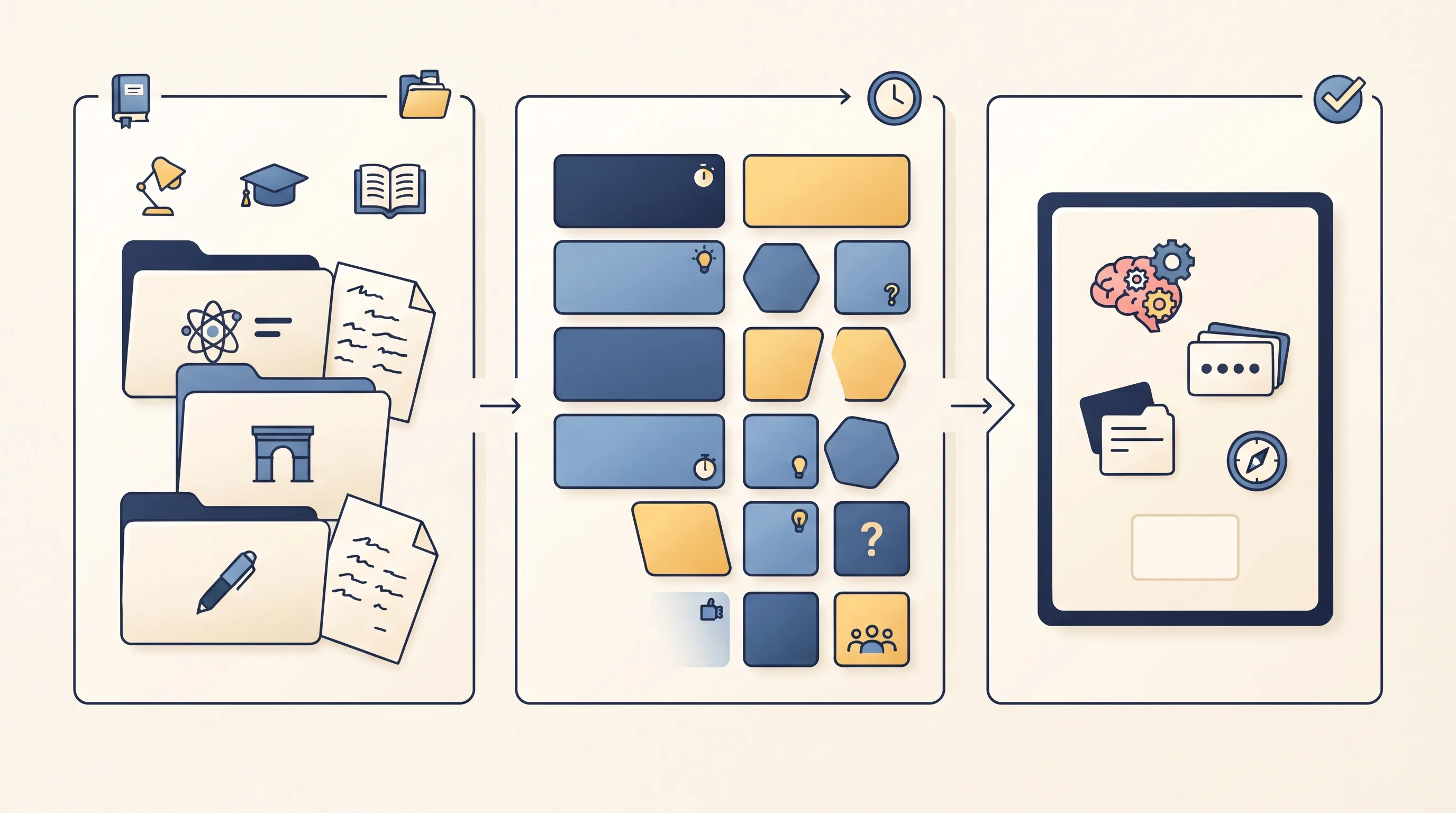
Week 3: gather the course information
Use the first week to find out what each exam covers. Check the syllabus, course site, instructor announcements, review sheet, and any official exam timetable. Write down the source for each date so you can confirm it if two pages disagree.
Then list the work by class. “Review chemistry” is too broad to plan. “Read the instructor's review sheet and list the reactions I cannot explain” gives you a task with a finish point. You might list chapters, lecture topics, problem sets, lab concepts, or a paper that is due before the exam.
Mark what is unfinished and what is unclear. [UNIQUE INSIGHT] Keep the two lists separate: unfinished work needs a time slot; unclear material needs a source or a question. An unread chapter and a concept you cannot explain lead to different next steps. This split helps you avoid scheduling the same vague task week after week.
The University of Houston's study tips for finals suggest spreading material over five to ten days instead of trying to do it all in one day. That is guidance from one university, not a rule for every course. The guide also recommends asking about course material you don't understand before the last day of class. Use that window if your instructor offers it.
Keep this first pass light. You're making an inventory, not solving the whole semester in one sitting. If your list is too long to scan, group related topics under the course unit or exam section they belong to.
Week 2: fit study goals into your actual week
The second week is for matching course tasks to available time. First add fixed commitments such as classes, work shifts, travel, appointments, meals, and sleep. Then count the study blocks that remain. The University of Houston's multiple-finals handout recommends estimating the hours available before apportioning the remaining tasks.
Here's a fictional example. A student has four finals and can protect about 13 study hours this week. They might set three hours for biology, four for chemistry, three for history, and three for statistics. Those numbers describe this one example. They don't mean chemistry always needs four hours or that 13 hours is enough for anyone. Compare estimated work with real open time before promising those hours to every class.
Write each block as a task, not a subject label. “Work five practice problems from the review sheet” is easier to start than “study chemistry.” “Outline the three lecture themes” gives history a visible end point. Follow the format your teacher expects, and use approved course materials to check your work.
You can spread a goal across the week without choosing exact times for every task. If daily scheduling helps, add blocks after the weekly goals fit. If your week changes often, keep a few tasks unassigned so you have options when a class or shift moves.
How the Ultimate Student Planner can hold the weekly plan
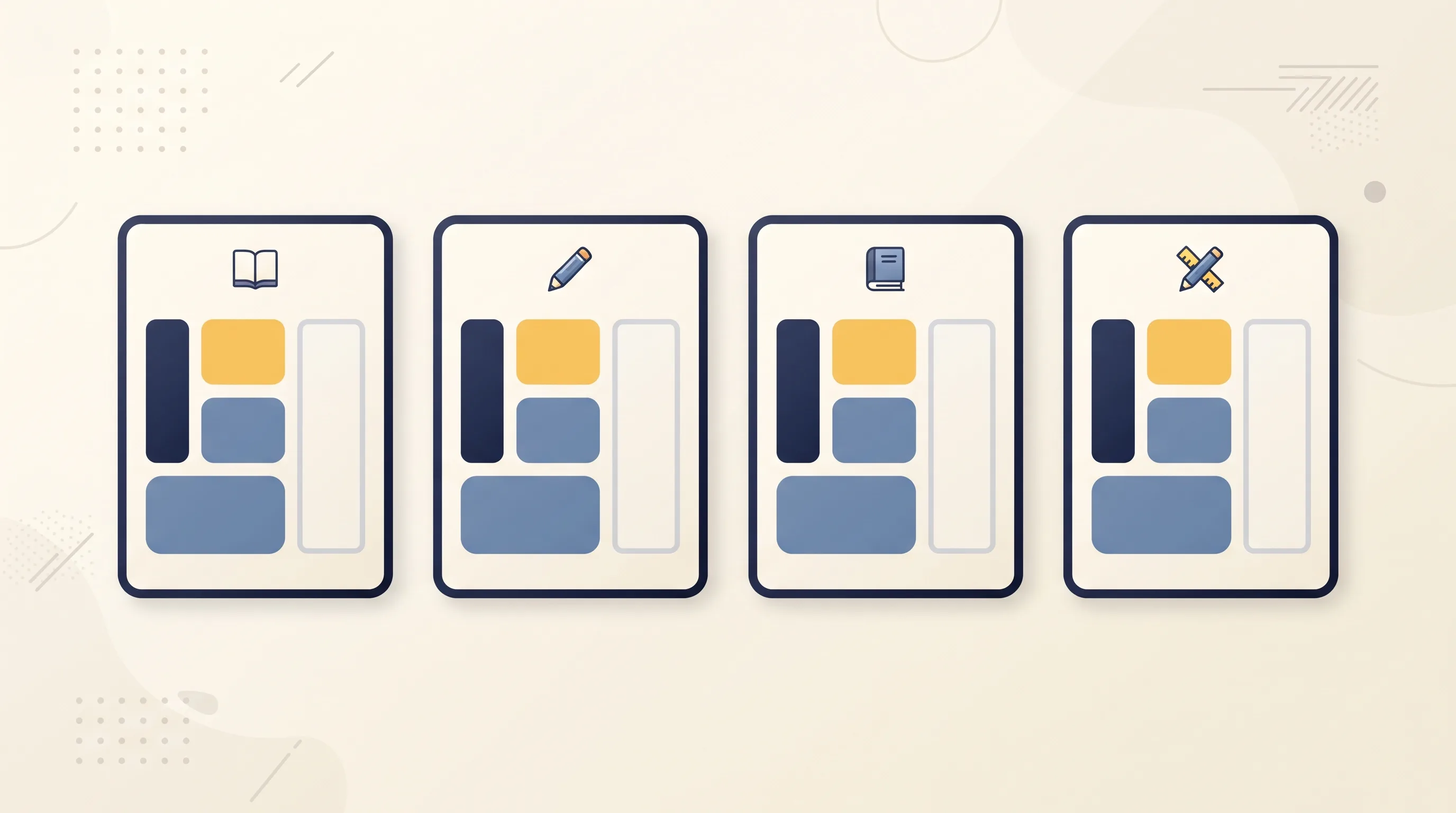
The Study Plan tab in Ultimate Student Planner records a date, class, topic, planned time, done time, and completion tick. You can use those fields to keep a weekly goal attached to a course task. The Google Sheets and Excel planner with a Study Plan tab may help if you want study sessions beside class and due-date details in the same file.
The file can't choose what to study, confirm exam dates, or connect to a school portal. Check dates against your course pages and fill in the topics yourself. A paper calendar or your current system works too if it helps you see the next course task.
Week 1: check what remains and adjust
In the final week, compare your list with what you completed. Cross off finished tasks and mark what still needs work. If a topic remains unclear, use course guidance to decide whether to review it, ask a question, or spend time on another item.
Saint Louis University's finals study strategies recommend listing remaining work, breaking large tasks into smaller parts, and making a realistic schedule with room for breaks. In the final week, use that check to confirm exam dates, scan the material still on your list, and choose goals that fit before each exam.
Avoid making every unfinished item equal. The exam date, instructor's scope, and your own course work help you choose what to do next. If a project or paper is due before a final, include it in the same week so it does not disappear behind exam preparation.
When the plan slips, move one task at a time
A missed session does not require a new calendar. Move the unfinished task to an open block, then check the exam date and the other classes again. If there is no open block, make the task smaller or ask an instructor what to prioritize.
The University of Houston finals handout recommends spreading material across several days rather than trying to do everything in one day. Treat that as guidance to consider, not a universal formula. Your class schedule, course format, and available time set the practical limits.
Leave one or two open blocks if your week allows it. They can absorb a longer task or a change in your schedule. If the plan is already full, revise it before adding more work to a packed day.
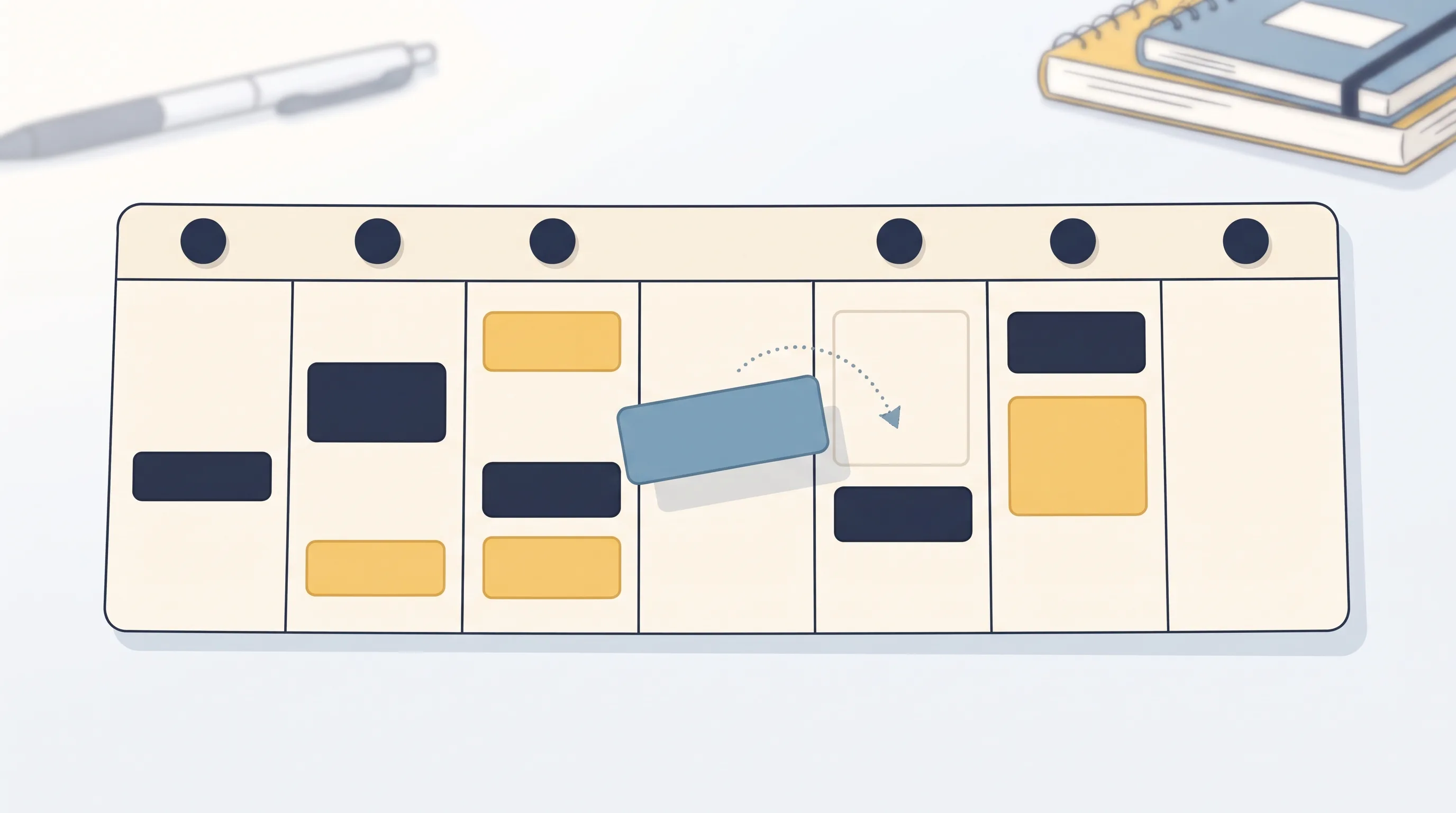
If you missed several days, start with the next confirmed exam and the smallest useful task. A short restart is easier to place than a full-week reset. The active recall guide for checking one class topic explains one way to practise a topic after you choose it.
General information, not medical advice.
This example is for planning and is not a school-approved timetable. Read the Cosmo Suite editorial policy or contact us with a correction.
Sources checked 29 Oct 2026: University of Houston Undergraduate Student Success Center, “Preparing for Multiple Finals” and “Study Tips for Finals”; Saint Louis University, “Ace Your Finals with These Eight Strategies.”
Frequently asked questions
Does this finals study plan work for high school?
Yes, if your school shares exam dates and the material each exam covers. Use your actual class week and ask a teacher or counselor about any school rules. The example hours here are planning assumptions, not a required schedule.
How long should you study for finals?
There is no single number for every student or course. List your fixed commitments and the study time you can realistically protect. Then estimate the work for each class and adjust the hours as you learn more.
Is 3 weeks enough time to study for finals?
Three weeks can give you time to gather course material, divide it into tasks, and revisit the plan each week. Whether it is enough depends on your exams, preparation, and available time. Start with the days you have, even if fewer than three weeks remain.
What should I study first for finals?
Begin with confirmed exam dates and course guidance. List the topics or tasks for each class, then mark what is unclear or unfinished. Ask your instructor about gaps you cannot resolve from class materials.
Should I make a daily study schedule for finals?
A daily schedule can help when you need to choose a next task. Start with weekly goals if a full daily plan feels brittle. Add specific blocks only after you check classes, work, travel, meals, and other commitments.
What if I miss a study session?
Move the unfinished task to an open block and check whether it still fits before the exam. If there is no room, reduce the task, change its timing, or ask for help. Avoid stacking work onto a day that is already full.
What is the fastest way to make a finals study plan?
Write down every confirmed exam date, list the material each course covers, and choose a few clear goals for this week. Then check your real available time and revise the plan once you see what fits.
Sources
Keep reading

Study Methods and Exams
Study Routine: A Weekly Rhythm You Can Restart Any Monday
Study routine: build a weekly rhythm around classes, short study tasks, and open time, then move unfinished work instead of scrapping the whole plan.
· 7 min read
Study Methods and Exams
Study Plan Template for One Course: Topics, Dates and a Done Tick
Study plan template for one course: list topics, sources, dates and a done tick, then move unfinished work when your week changes. Adjust it weekly.
· 7 min read
